Bill Viola, J.G. Ballard, David Cronenberg. Not a bad set of obsessions for a visual artist. Mario Ruggiero has spent his career building a practice around loops: closed circuits of images and sounds that repeat endlessly, like recurring dreams you can’t shake. Crashes, explosions, suspended instants that replay indefinitely. In his hands, violent imagery becomes strangely hypnotic, almost protective. Along the way he has collaborated on video installations alongside David Cronenberg, Brian Eno, Atom Egoyan and Peter Greenaway. His vision echoes Ballard’s: a world shaped by its traumas, replayed again and again until they lose their sting, or perhaps begin to reveal something deeper.
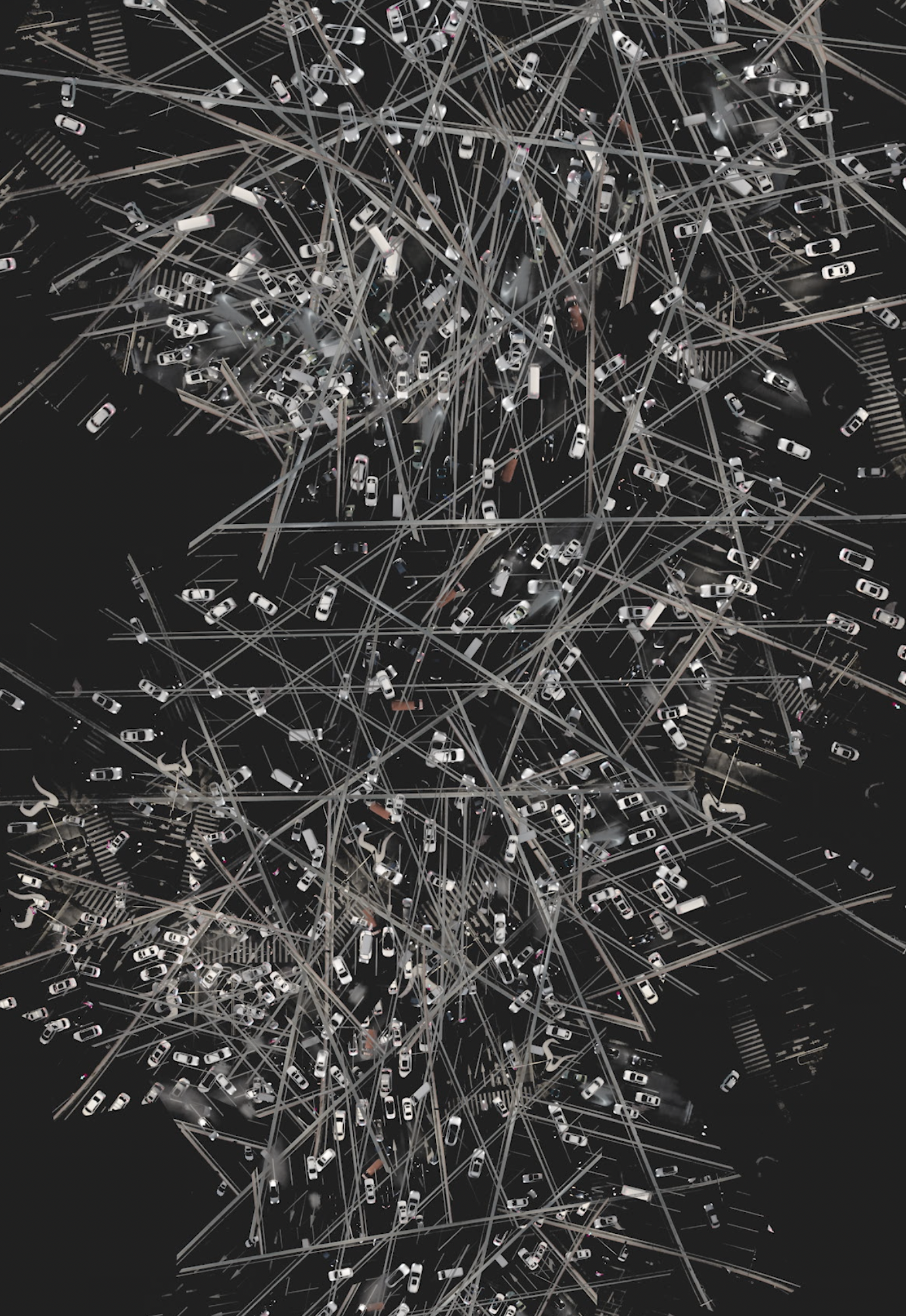
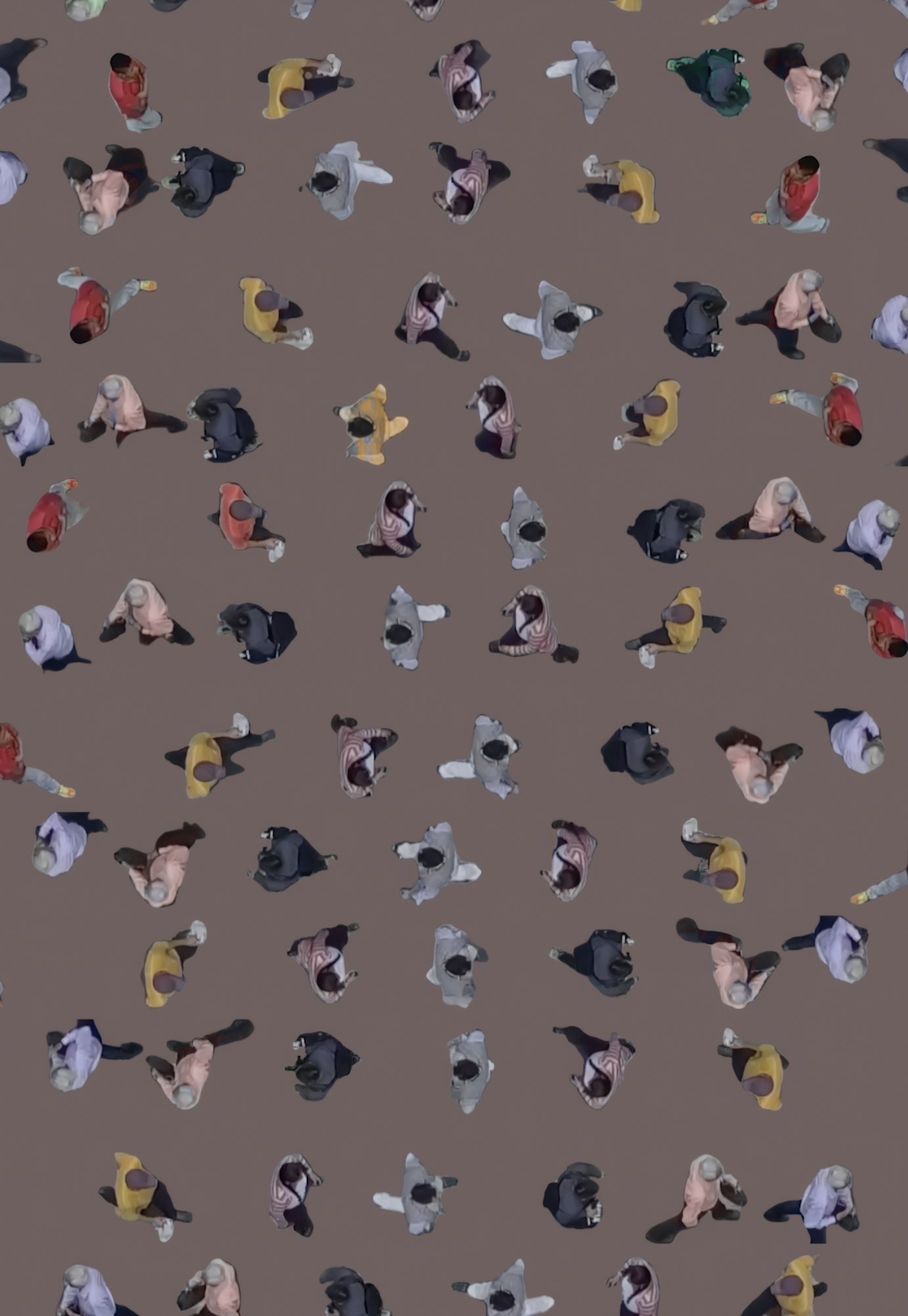
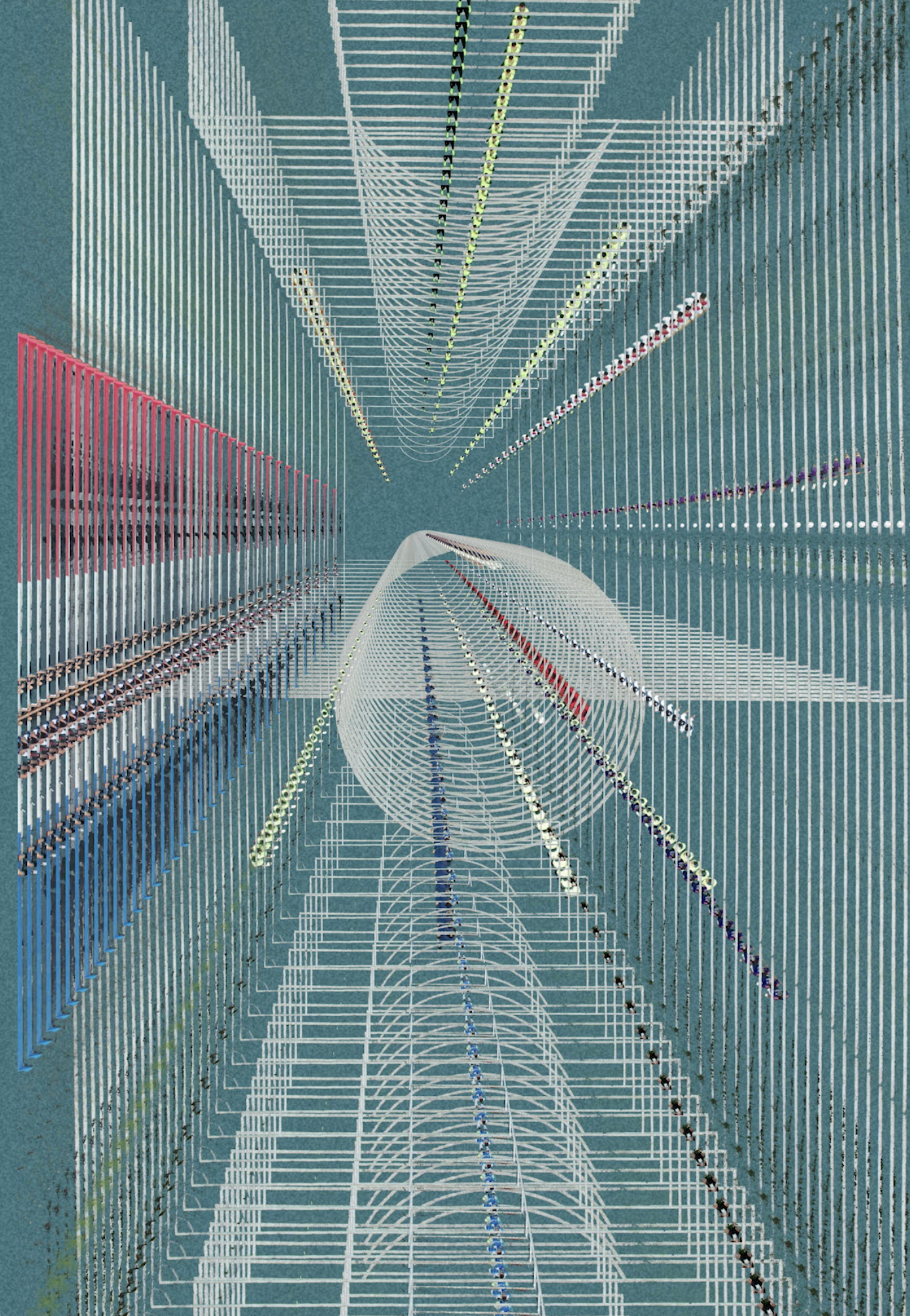
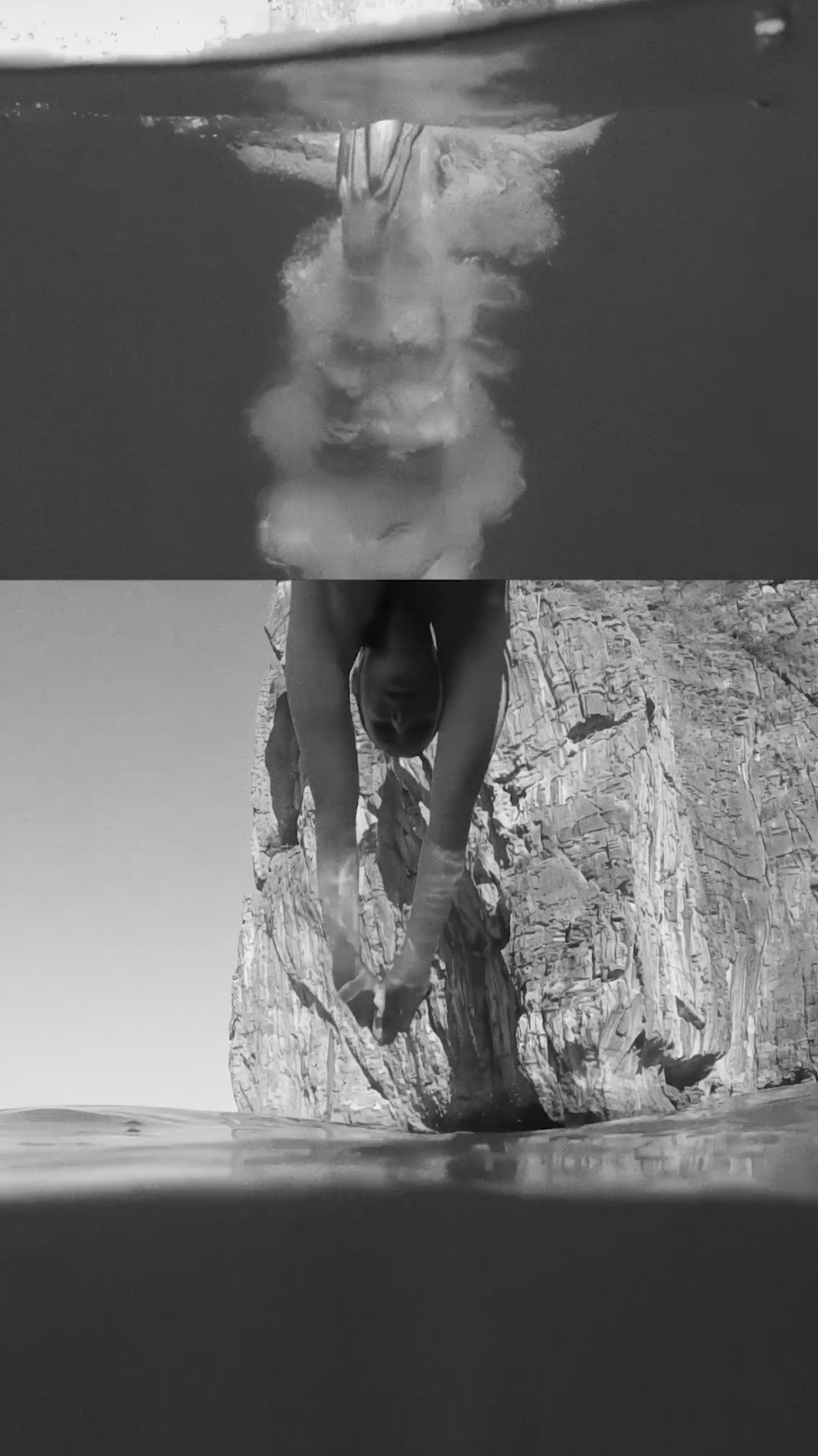
Time Geometry attempts to make time visible. Rather than treating time as the steady ticking of a clock, the work explores it as a subjective architecture — shaped by perception, memory and experience. Time expands in anticipation, contracts in moments of immersion, and can fracture through trauma or repetition. Using loops, temporal distortions and recursive structures, Time Geometry presents duration as something elastic rather than linear. Each video becomes a geometry of time, where a single moment can stretch indefinitely, collapse into itself, or return in altered form. The work asks whether time is something we move through, or something we continuously construct.
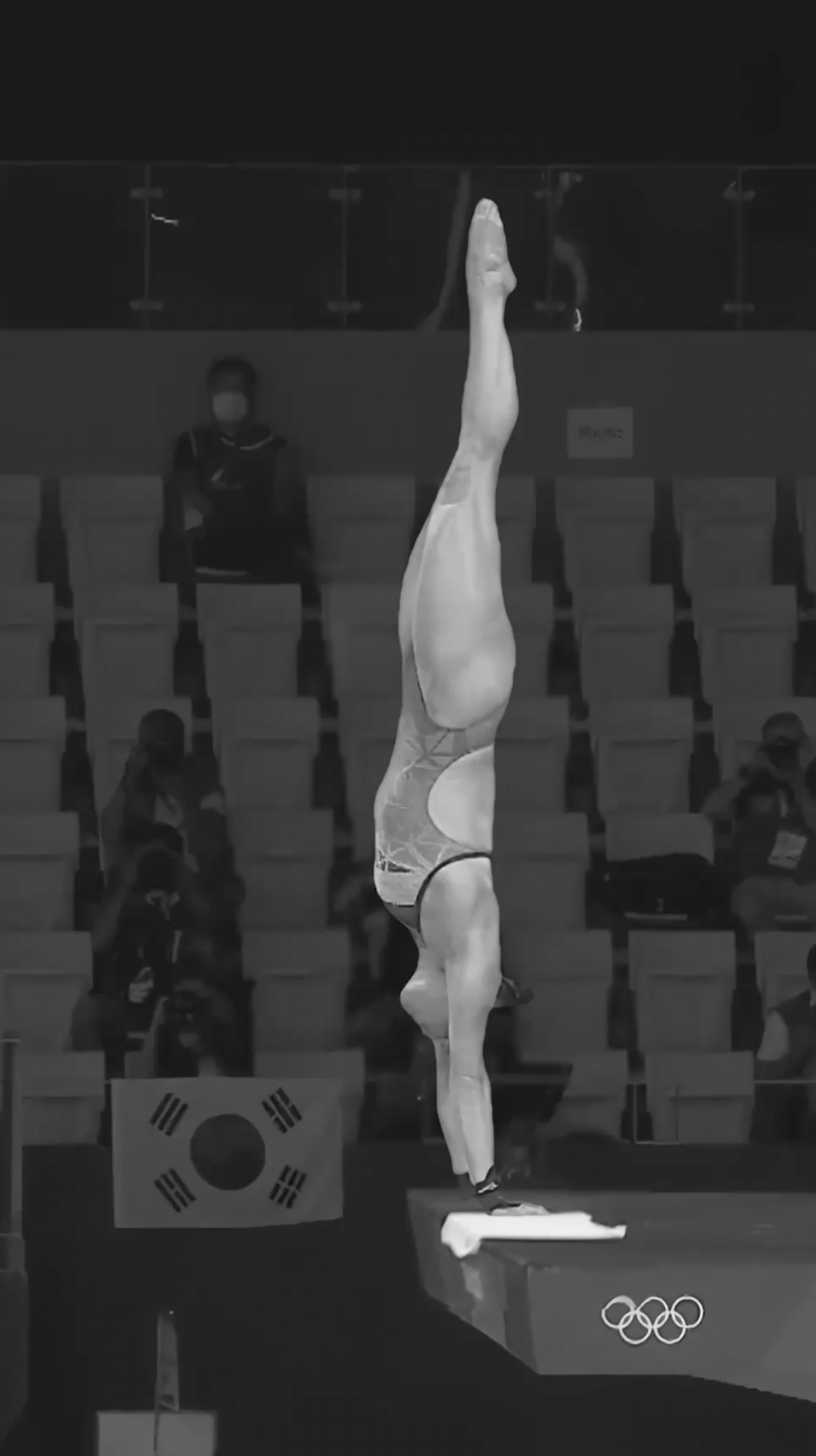
Pool Dive Loop and Pool Dive 03 explore how repetition can transform perception. A diver falls. Again. And again. With each repetition, the image gradually loses its narrative function. What first appears to be an accident or fleeting moment becomes familiar, almost inevitable. The dive dissolves into rhythm, while the splash becomes a pulse rather than an impact. The sound of water creates a space detached from ordinary reality — immersive, elemental and suspended from everyday time. Within this repetition, the work considers how memory can transform an event, replacing the shock of a single moment with the quiet persistence of something remembered. As a saying often attributed to Miles Davis puts it: Once is a mistake, twice is jazz.

