Melinda Kádár makes experimental animations and asks big questions while doing it: what is beauty, what is truth, what is goodness, and what happens when you push form to its limits looking for answers. Originally from Romania, based in Budapest, she studied at Sapientia Hungarian University of Transylvania before moving to the Moholy-Nagy University of Art and Design, where she now teaches the next generation of animators how to break the rules properly. Her 2019 diploma film The Wellspring and the Tower collected awards at international festivals and debuted at Annecy, the world’s most important animation festival.
József Iszlai also lives in Budapest, but his world sounds very different. A musician and sound designer working with electro-acoustic composition, sampling and plunderphonics, he has a particular obsession: the aesthetics of 20th-century sonic warfare. What war sounds like, and what that does to us. His work spans installations, animation and performance, presented internationally.
Put the two of them together and you get Paroxetine Eyes, showing at Kinomural.
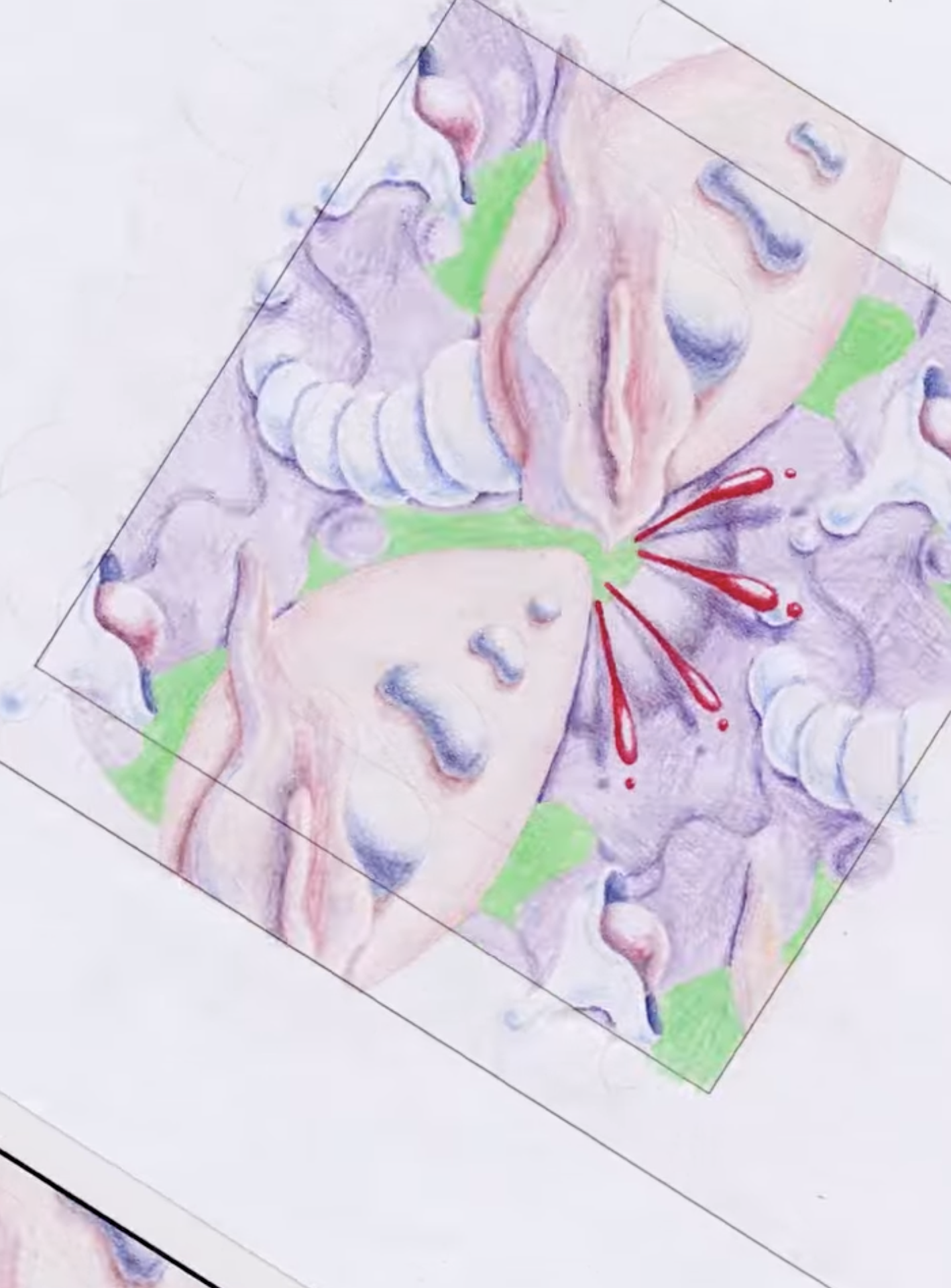
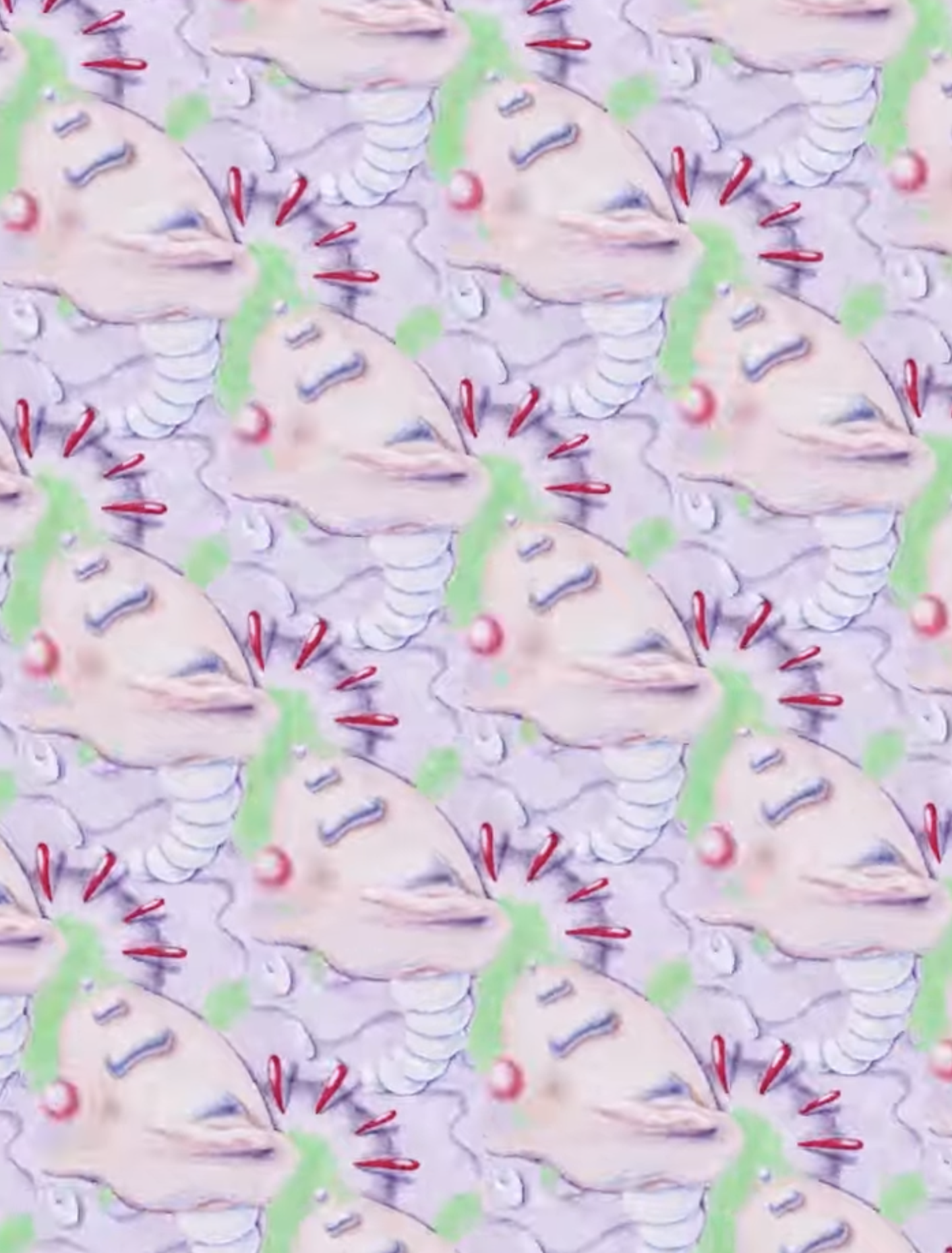
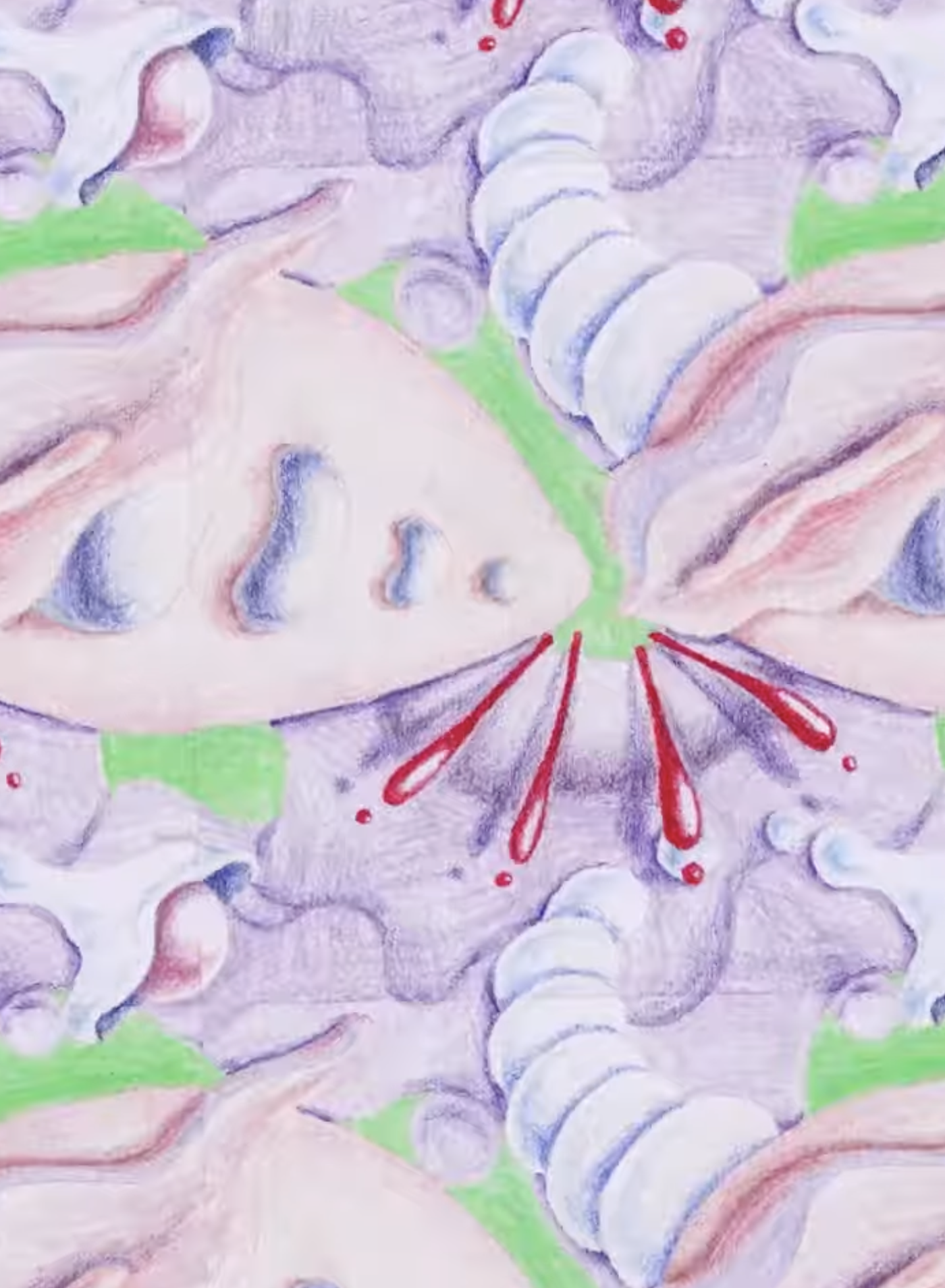
Paroxetine Eyes takes its name from the dilated pupils some people experience when starting antidepressants. The work is a 15-frame seamless loop, first animated in TvPaint, then printed and hand-coloured frame by frame with pencils and a magnifying glass. Small errors and inconsistencies are not corrected but embraced, revealing the idiosyncratic texture of manual repetition and mirroring the subtle, unstable adjustments of mental health treatment.
The accompanying sound translates this into music: a fixed loop is sustained while its identity is continuously destabilised. Micro-variations in timing, tuning and modulation prevent exact repetition, producing a structure that is seamless yet internally drifting. Repetition persists, but coherence quietly fractures.

