Two Primetime Emmy Awards. The title sequence for Severance on Apple TV. Collaborations with Valentino, MTV and Bring Me The Horizon. Exhibitions at Sotheby’s, Christie’s, Unit London and the Venice Biennale. When we say headliner, we mean it.
Oliver Latta, known to the world as Extraweg, is a Berlin-based artist and director whose surreal 3D animations have quietly taken over the internet, the gallery world and the screen simultaneously. His work is immediately recognisable: bodies that stretch, morph and loop; human forms reimagined as metaphors for the pressures, contradictions and absurdities of modern life. Social expectations, ambition, routine, the desperate search for balance: Extraweg gives all of it a physical shape, and wraps it in imagery that is simultaneously playful and deeply unsettling.
The loop is his signature. Not just as a formal device, but as a philosophical one: the way life repeats itself, the way we repeat ourselves, the way systems keep turning whether we want them to or not.
His collaborations speak for themselves: the main title sequences for both seasons of Severance on Apple TV+ (S1 / S2), each winning the Primetime Emmy for Outstanding Title Design; an artist ident for MTV; and the music video for Bring Me The Horizon’s Medicine, a hypnotic, disturbing visual trip described by Oliver himself as “something provocative, unique and new.”
At Kinomural, he takes over the entire wall for two nights, with a different programme each evening.
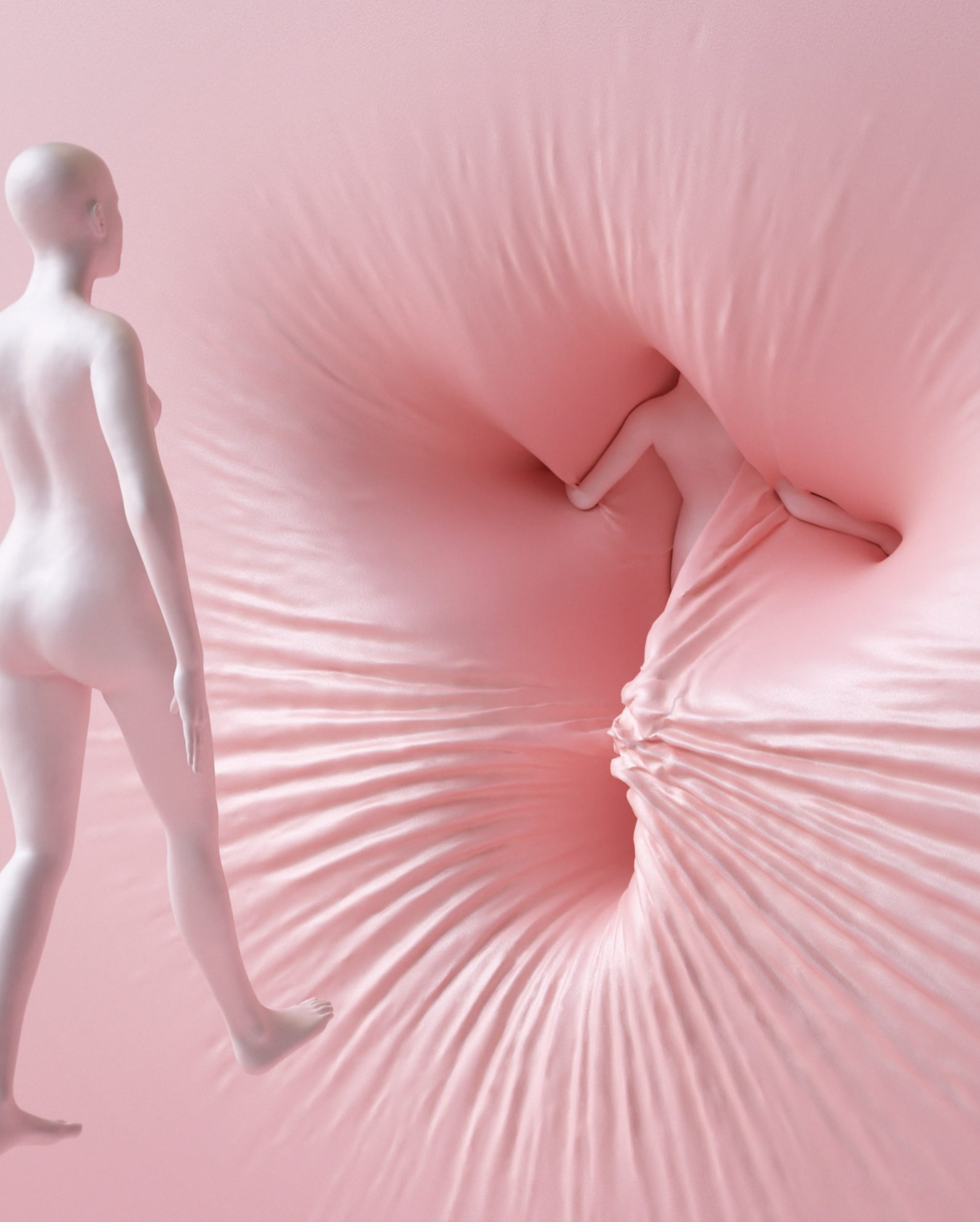
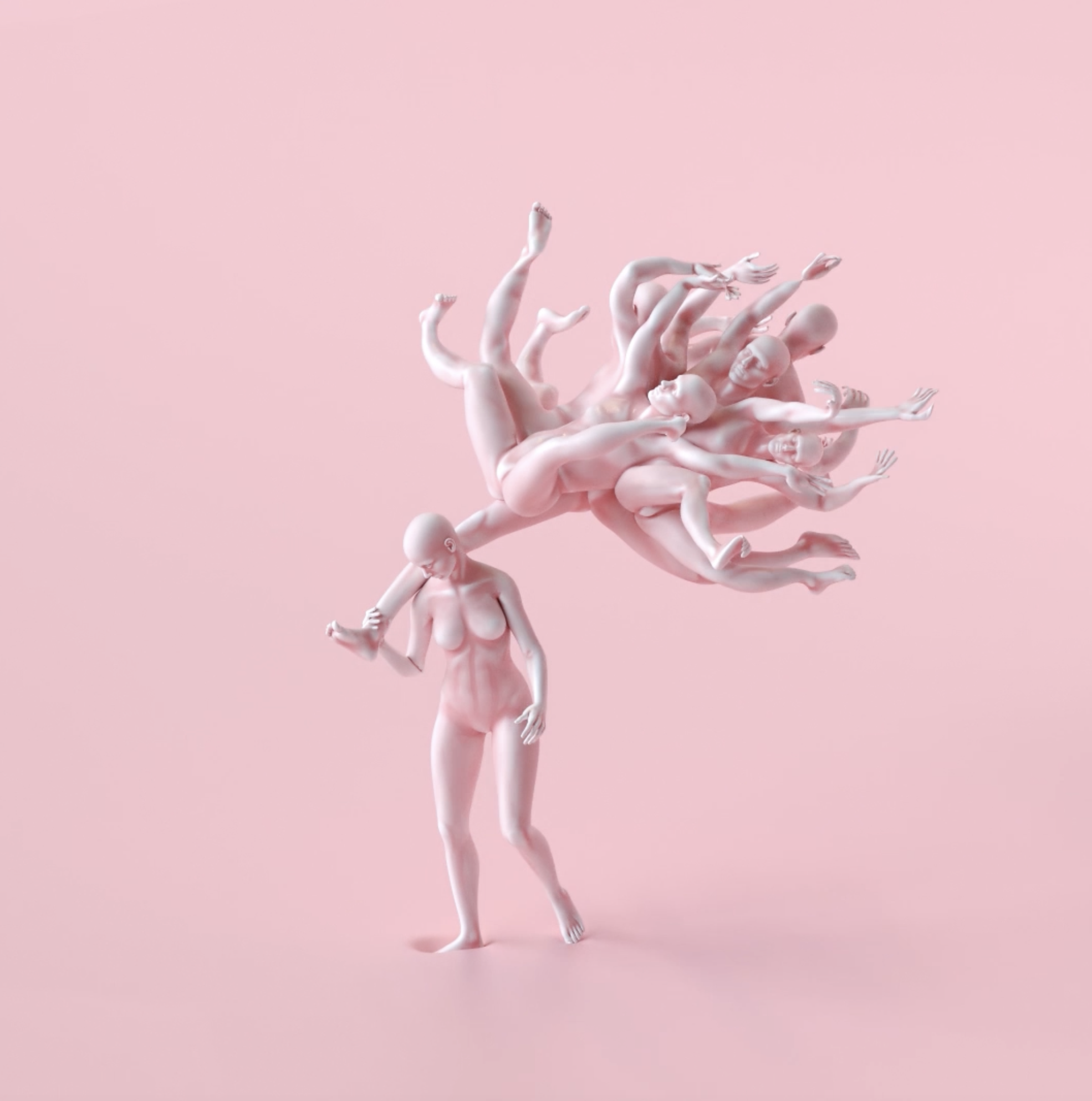
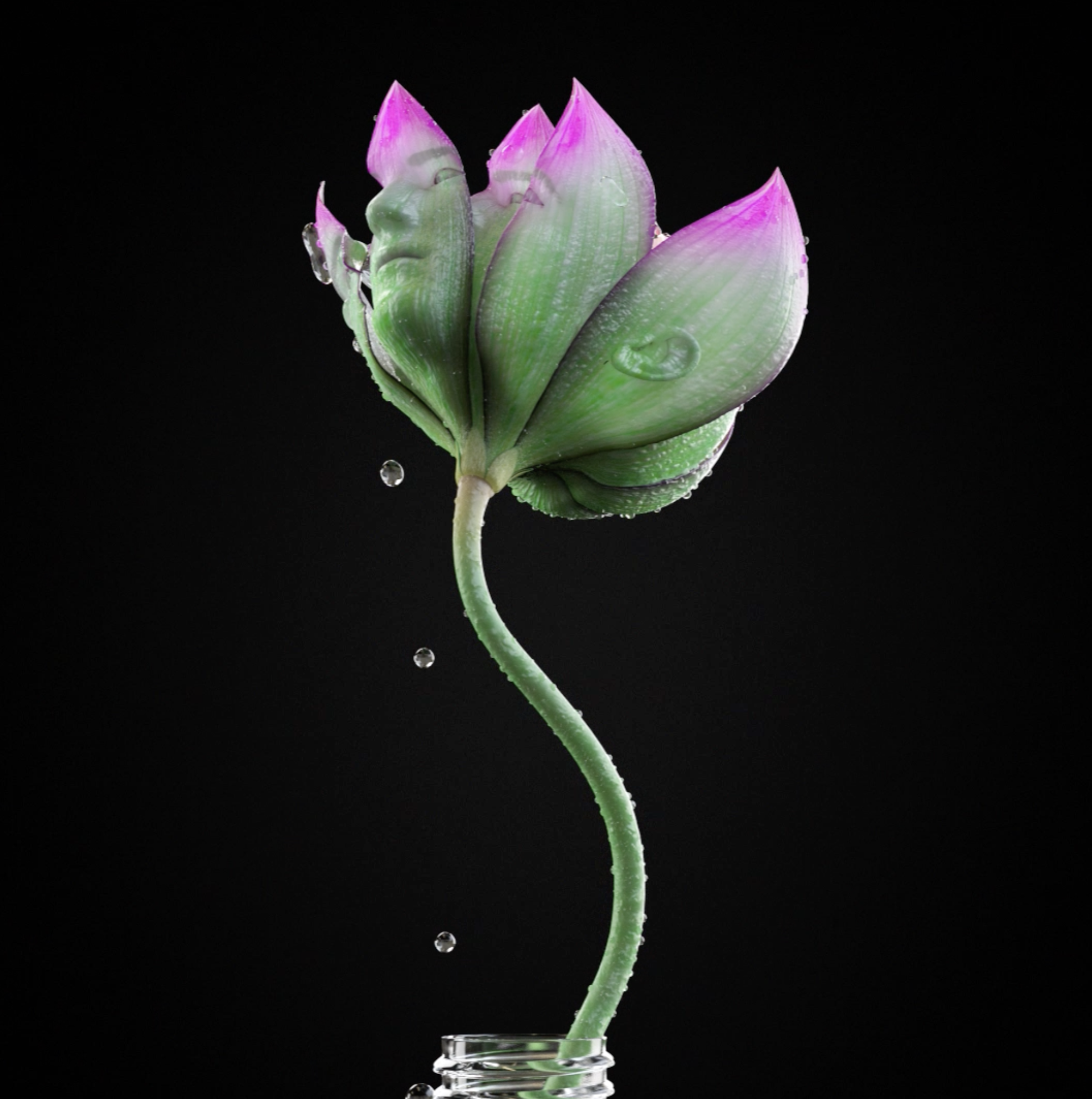
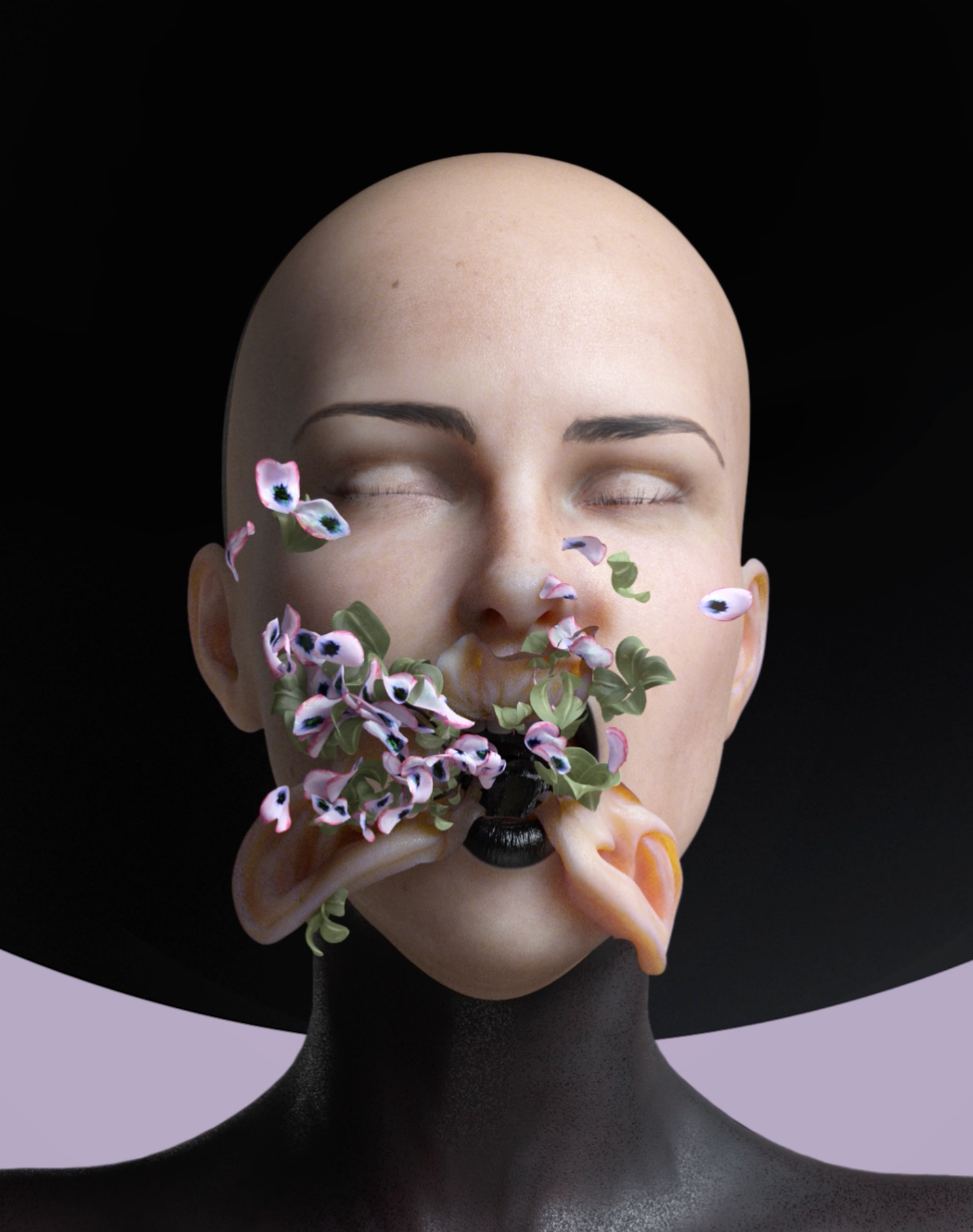
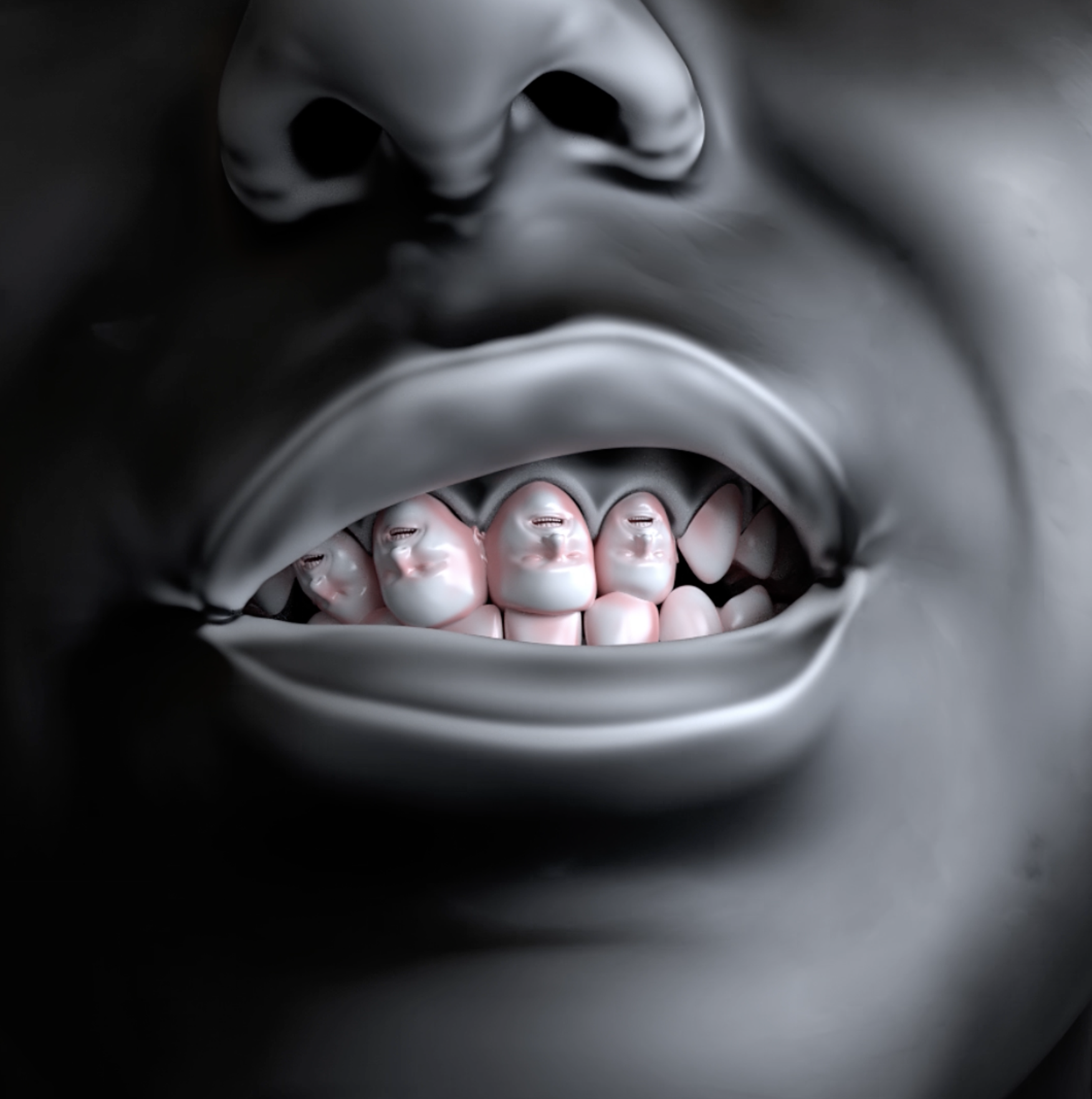
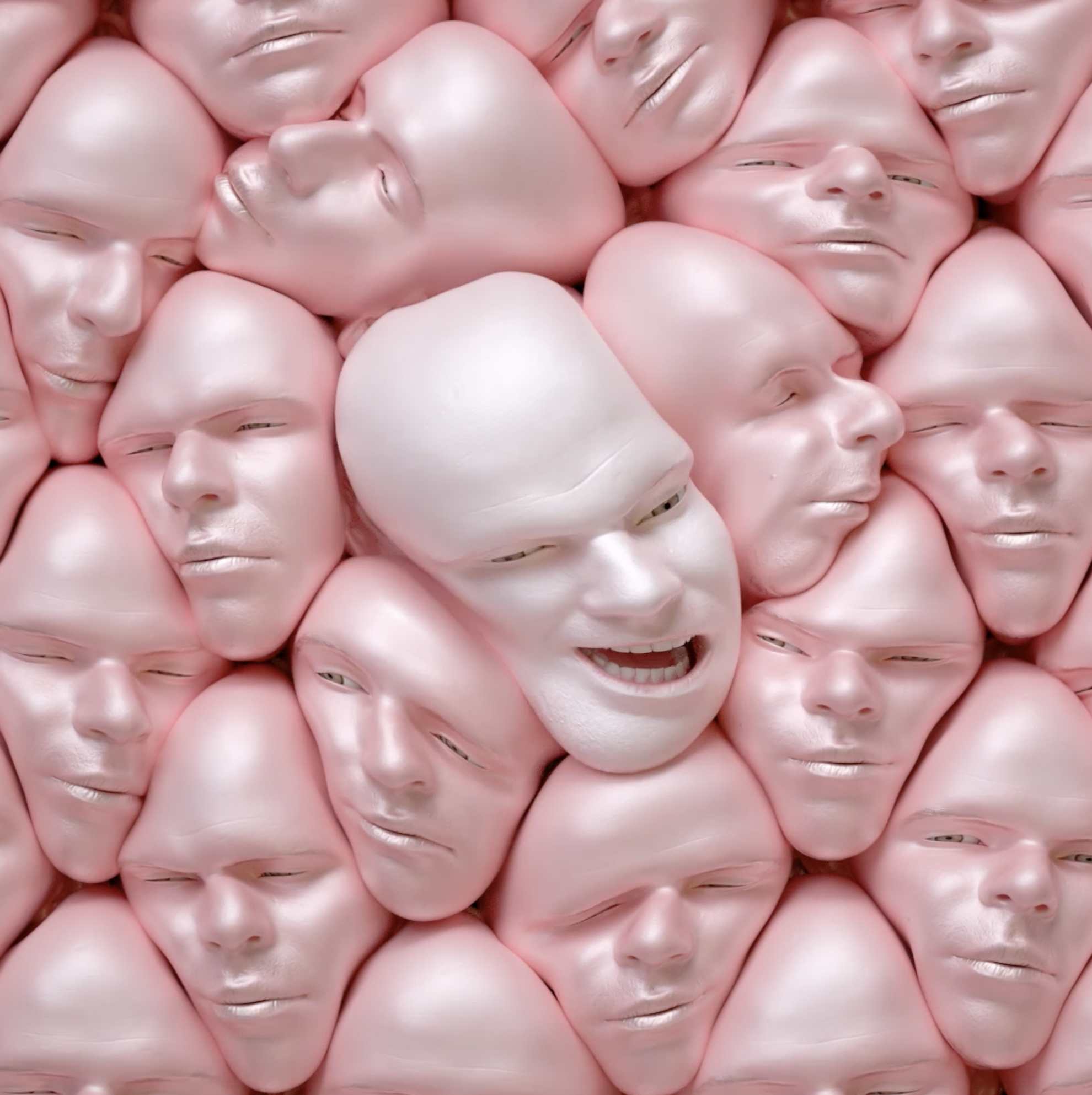
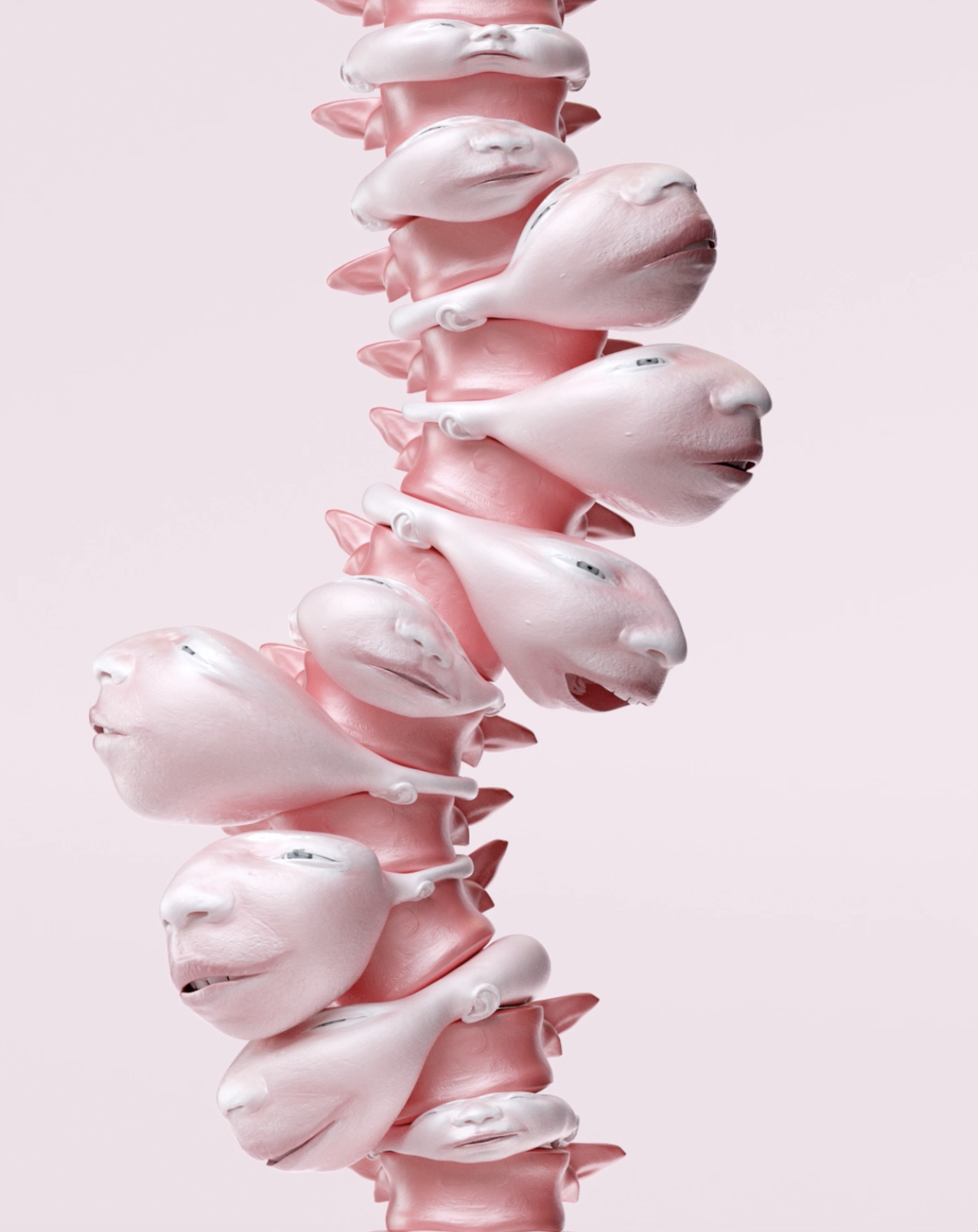
Human Patterns brings together a selection of works inspired by everyday observations of contemporary life. Using surreal visual metaphors and transformed human bodies, the works explore recurring behaviours, social structures, relationships, desires, fears, and contradictions. Individuals merge into crowds, become consumed by systems, struggle for connection, or confront the consequences of their own actions. While each work focuses on a different subject, they are connected by a common interest: the patterns we create as individuals and as a society. Some are beautiful, some absurd, some uncomfortable, but all reveal something about how we live together. The works invite viewers to recognise themselves within these patterns – and perhaps to see them from a different perspective.

