Boris Labbé makes films that feel like living paintings. The French animator and artist merges hand-drawn and digital techniques into immersive visual worlds built from loops, metamorphoses, perpetual motion and collages of art history, literature and philosophy. His influences range from Pieter Bruegel to Norman McLaren to Jan Švankmajer, and it shows. The awards have followed accordingly. Over fifty of them, including the Golden Nica at Ars Electronica, the Grand Prize at the Japan Media Arts Festival, a selection at Critics’ Week at Cannes, and most recently the Venice Grand Immersive Prize. Thanks to Boris, Tchaikovsky got a sci-fi makeover when choreographer Angelin Preljocaj invited him to design the video scenography for Swan Lake . On top of that his film Orogenesis also found a home in Adult Swim’s cult Off the Air.
At Kinomural he’s showing two works: Orogenesis and Glass House.
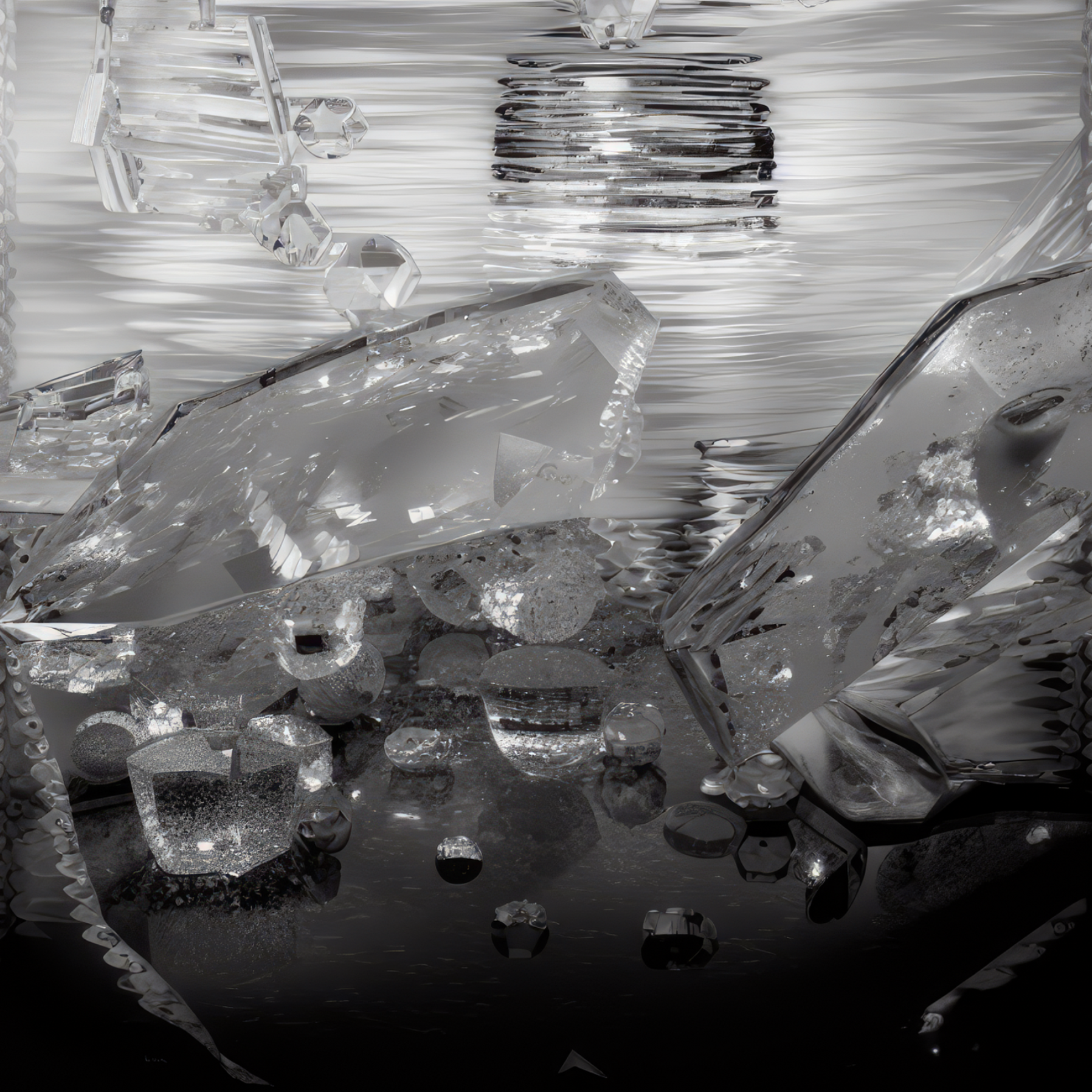
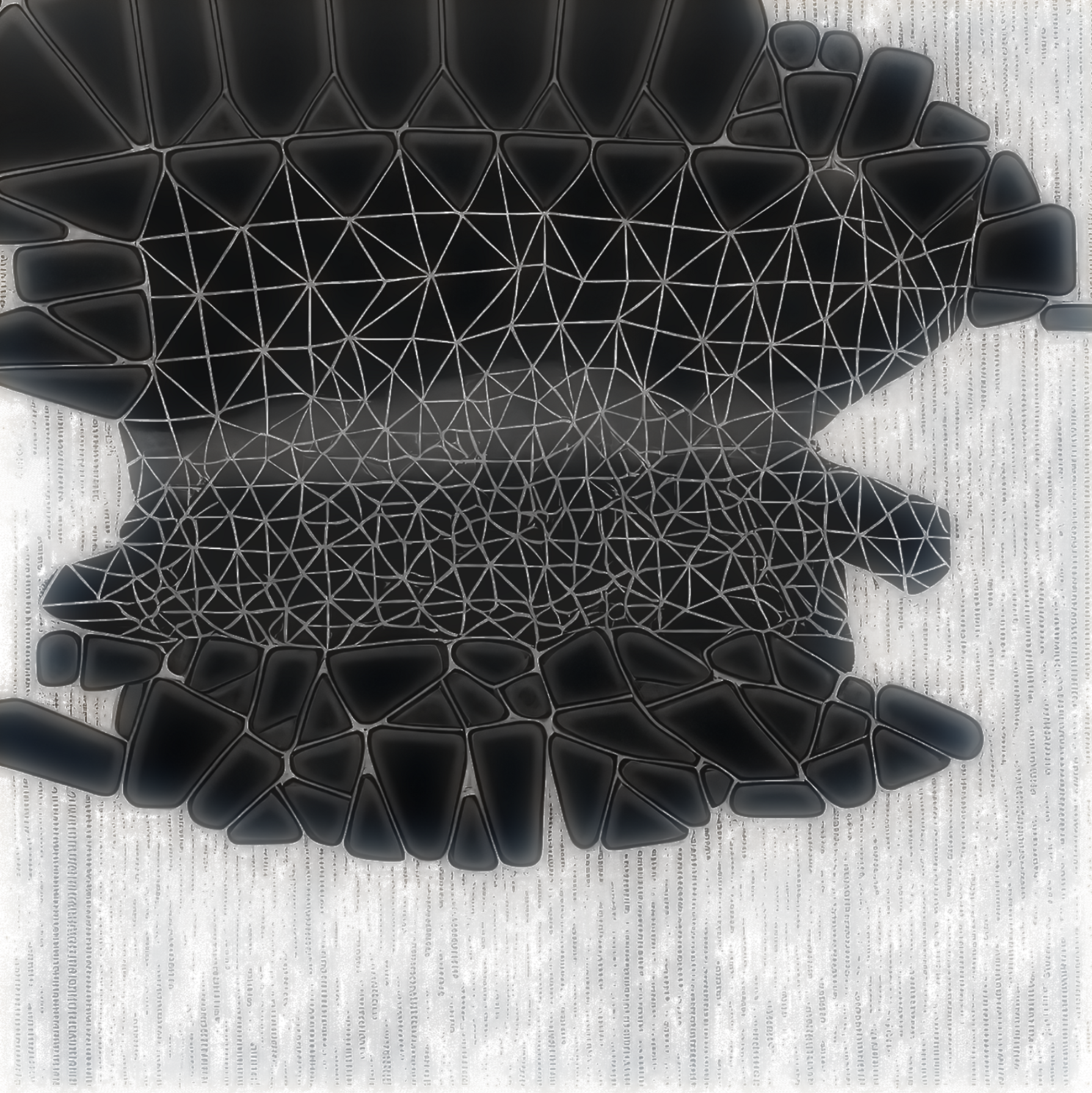
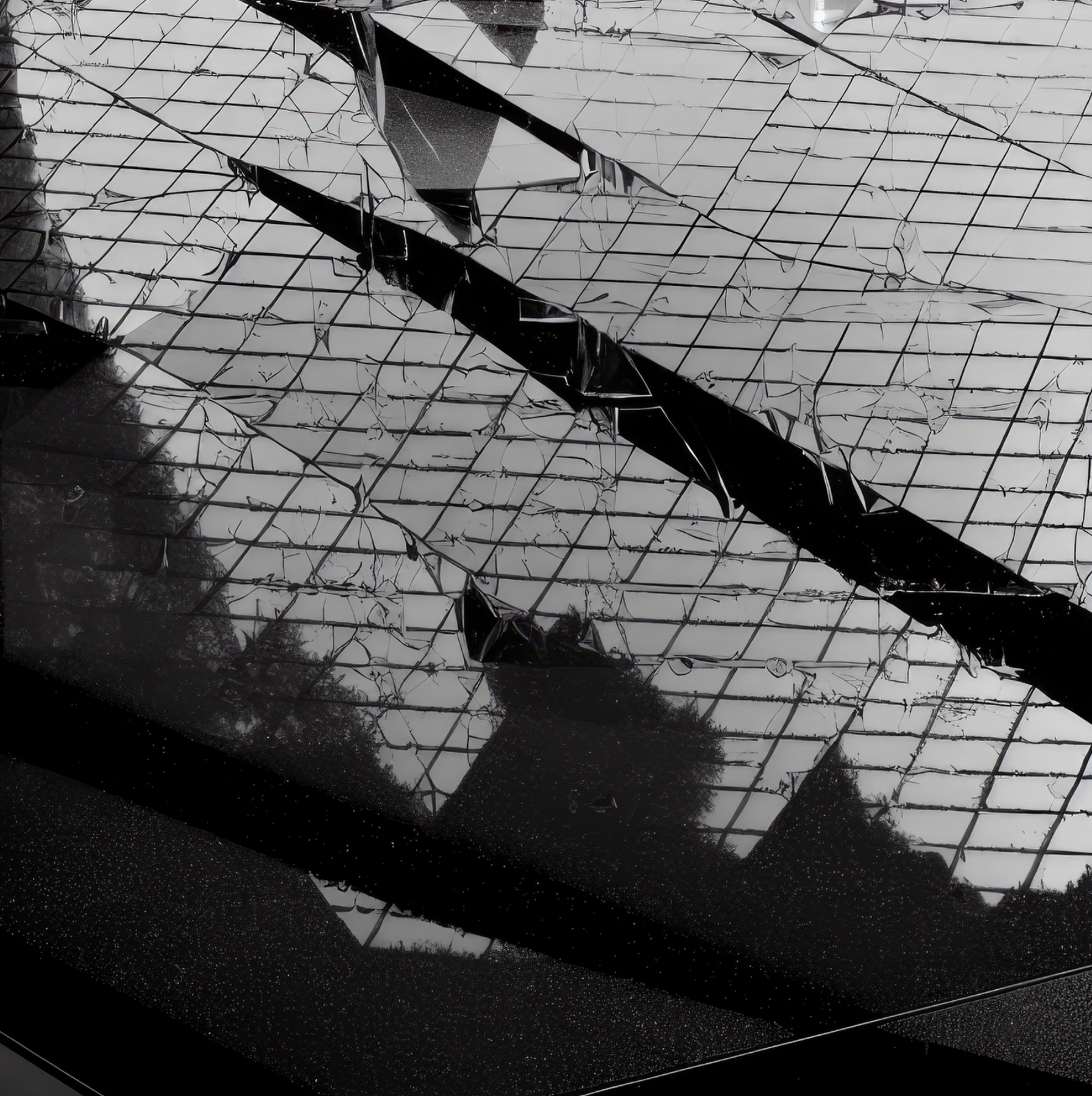
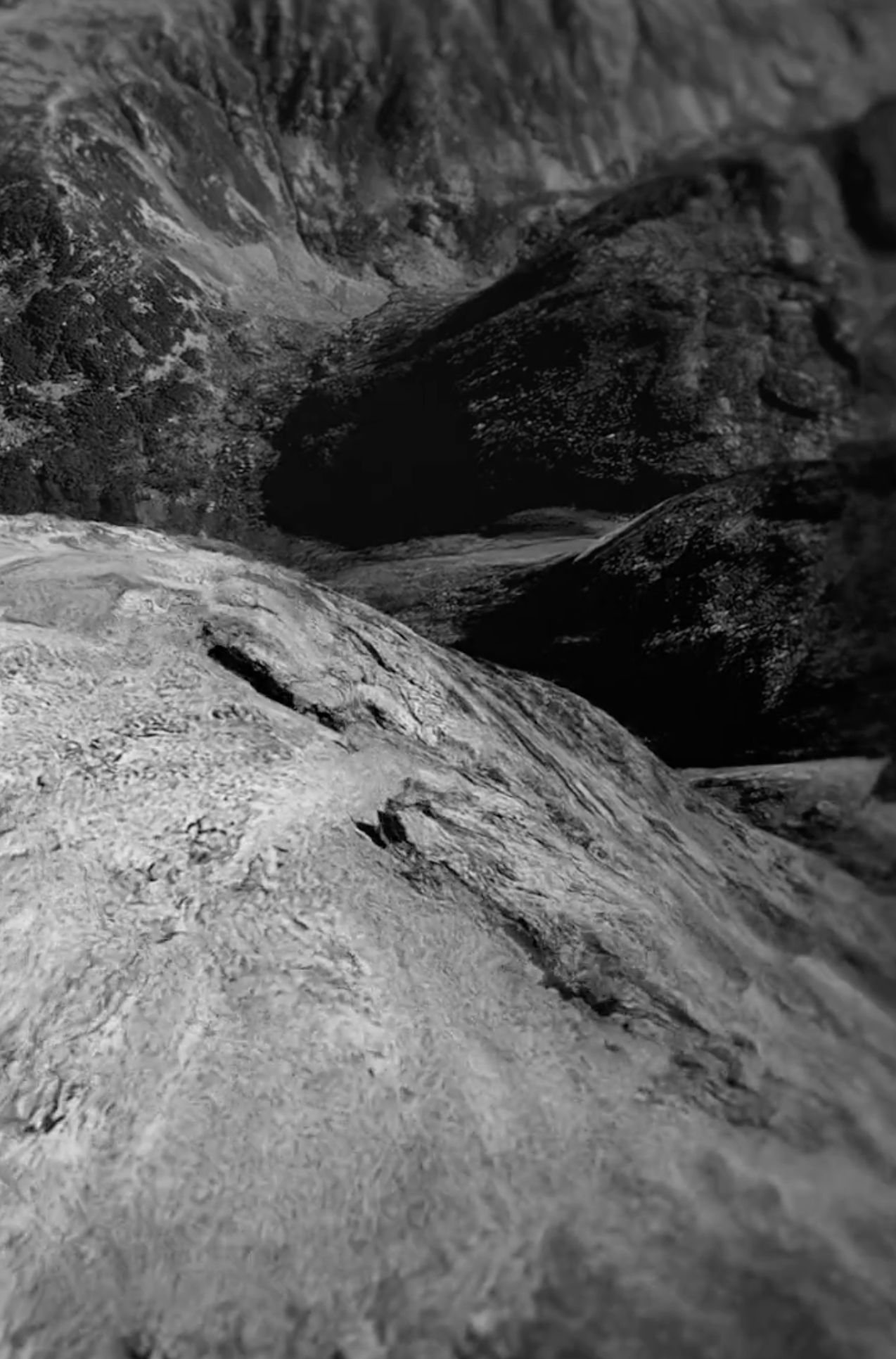
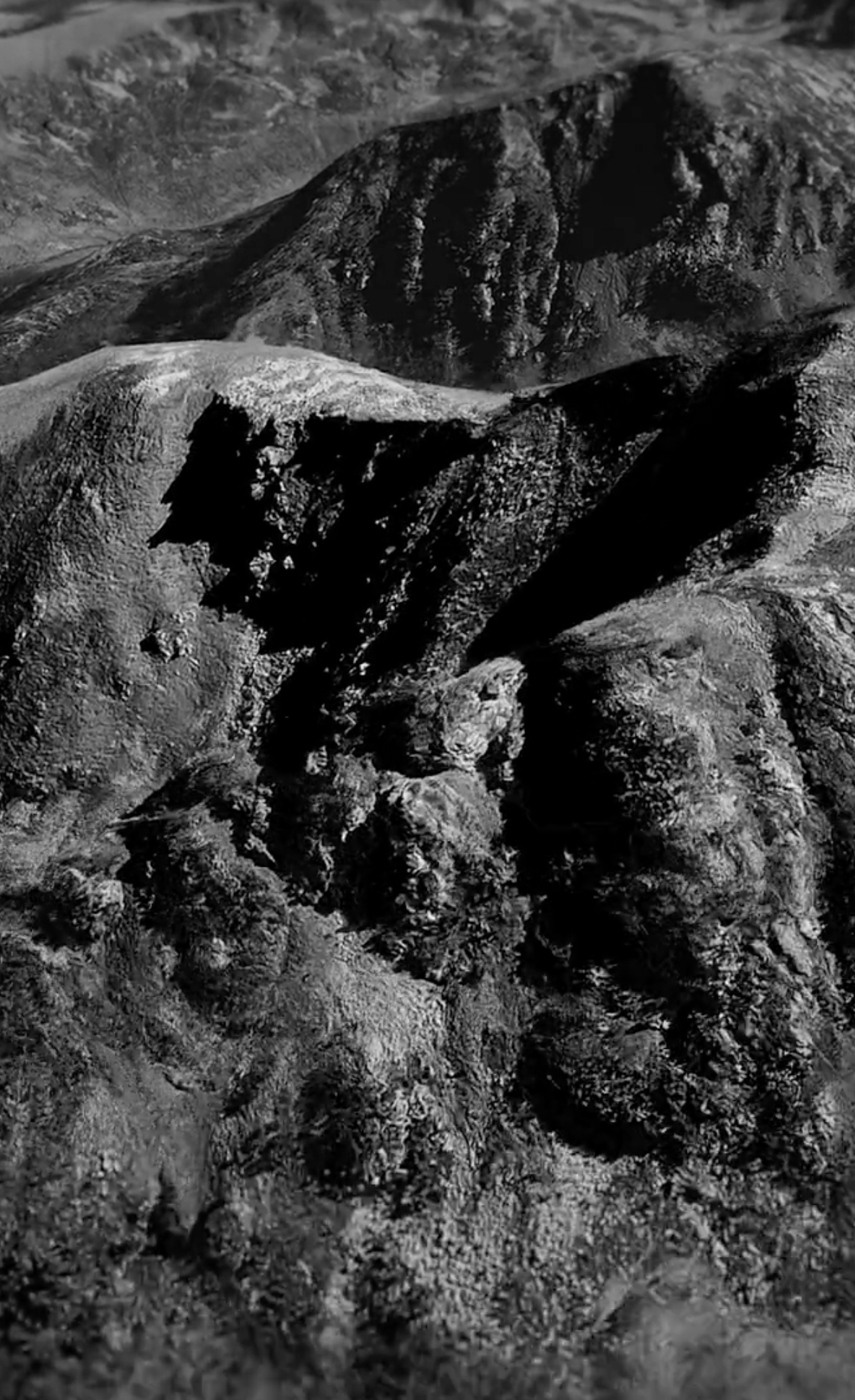
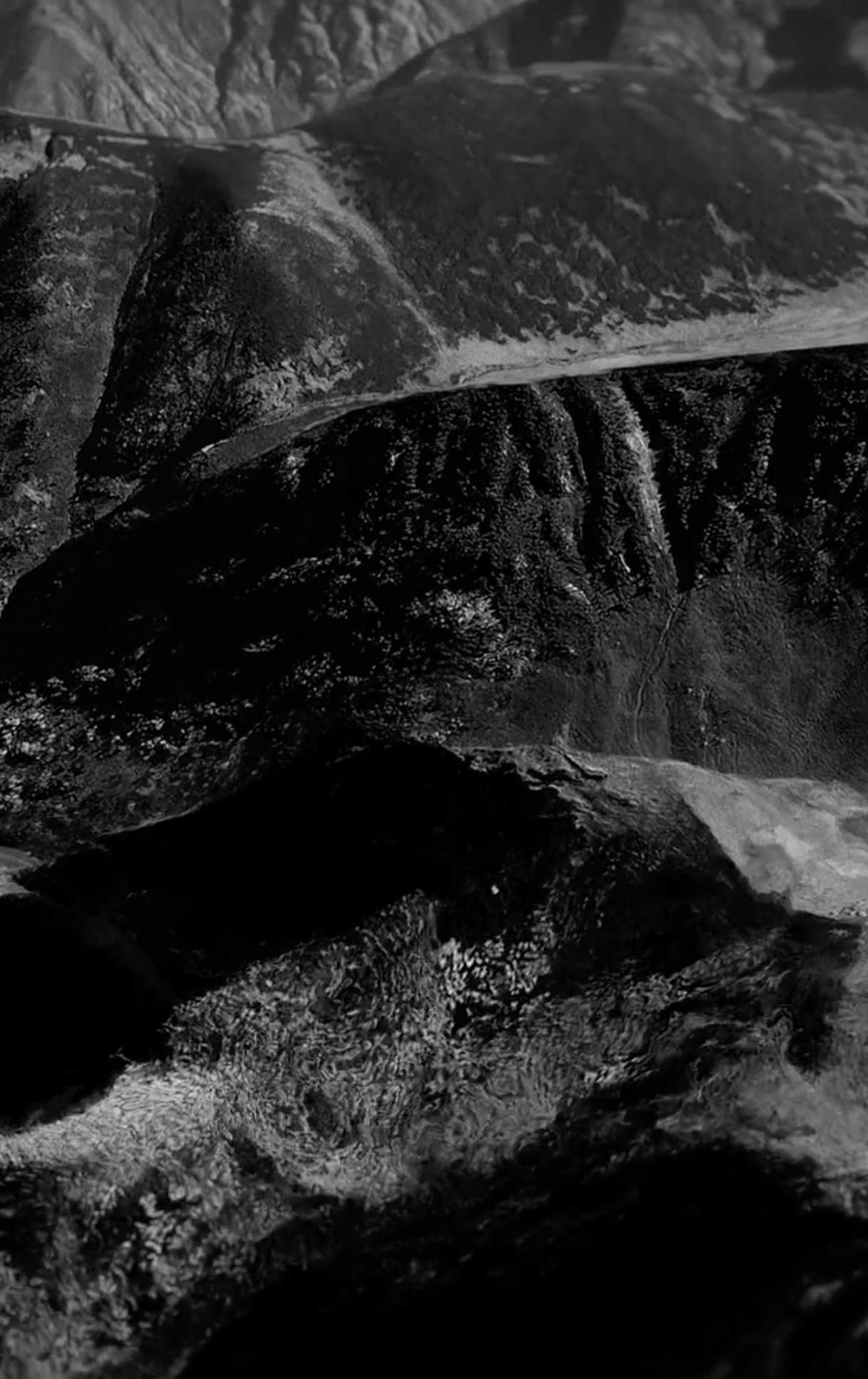
Orogenesis is a journey into abstraction: an imaginative hypothesis on how mountains might have been formed. Built from satellite imagery and 3D models of the Pyrenees, processed and transformed through digital image manipulation, the eight-minute black and white film shows an aerial view of a mountain range undergoing continuous metamorphosis. Compressions, ruptures, erosions, the slow sliding of tectonic plates: geological time collapsed into minutes. The soundtrack, composed by Italian composer Daniele Ghisi, opens with a traditional Pyrenean mountain choir, a tribute to the mountain chain at the heart of the work. From there, sound and image move together through abstraction: the landscape vibrates, dissolves, rebuilds itself, indifferent to the presence of the human eye. Everything disappears as if swallowed by a black hole. Then the mountains return.
Glass House is a collaboration between Boris Labbé, composer Lucas Fagin and Ensemble Cairn. Two artists who share a taste for distortion, optical illusion and geometric excess reach for the language of science fiction to scramble the senses and build what they call “Psi-fi”: a universe that is hypnotic and psychedelic at once. The starting point is Sergei Eisenstein’s unrealised film of the same name, along with the anxieties of the present: surveillance, transparency, data exchange, hyper-connectivity, alienation. Utopias curdle into dystopias here, with Zamyatin, Orwell and Byung-Chul Han lurking in the background. Glass House is a glass Tower of Babel, a giant prism inhabited by a human anthill, a hypnotic kaleidoscope of saturated colour where attraction blurs into repulsion. The work has won awards at Annecy, Ottawa and the New Chitose Airport festival in Japan.

