Takashi Ohashi doesn’t hide the fact that his work is made by a computer. He celebrates it. The Japanese motion designer and animation director pushes computer graphics to their limits through words, letters, diagrams and visual music, letting the digital, finite nature of the medium show rather than smoothing it away. The result has travelled through design-culture magazines and film festivals all over the world. Lately his work has landed on some of Japan’s biggest screens: an ending sequence for Mobile Suit Gundam: The Witch from Mercury, a film for NHK’s beloved Minna no Uta, the teaser for the 100 Japanese Visual Artists 2020 showcase. His clients run from Sony to Space Shower TV to 88rising, and somewhere in between he found time to VJ for musician Hakushi Hasegawa.
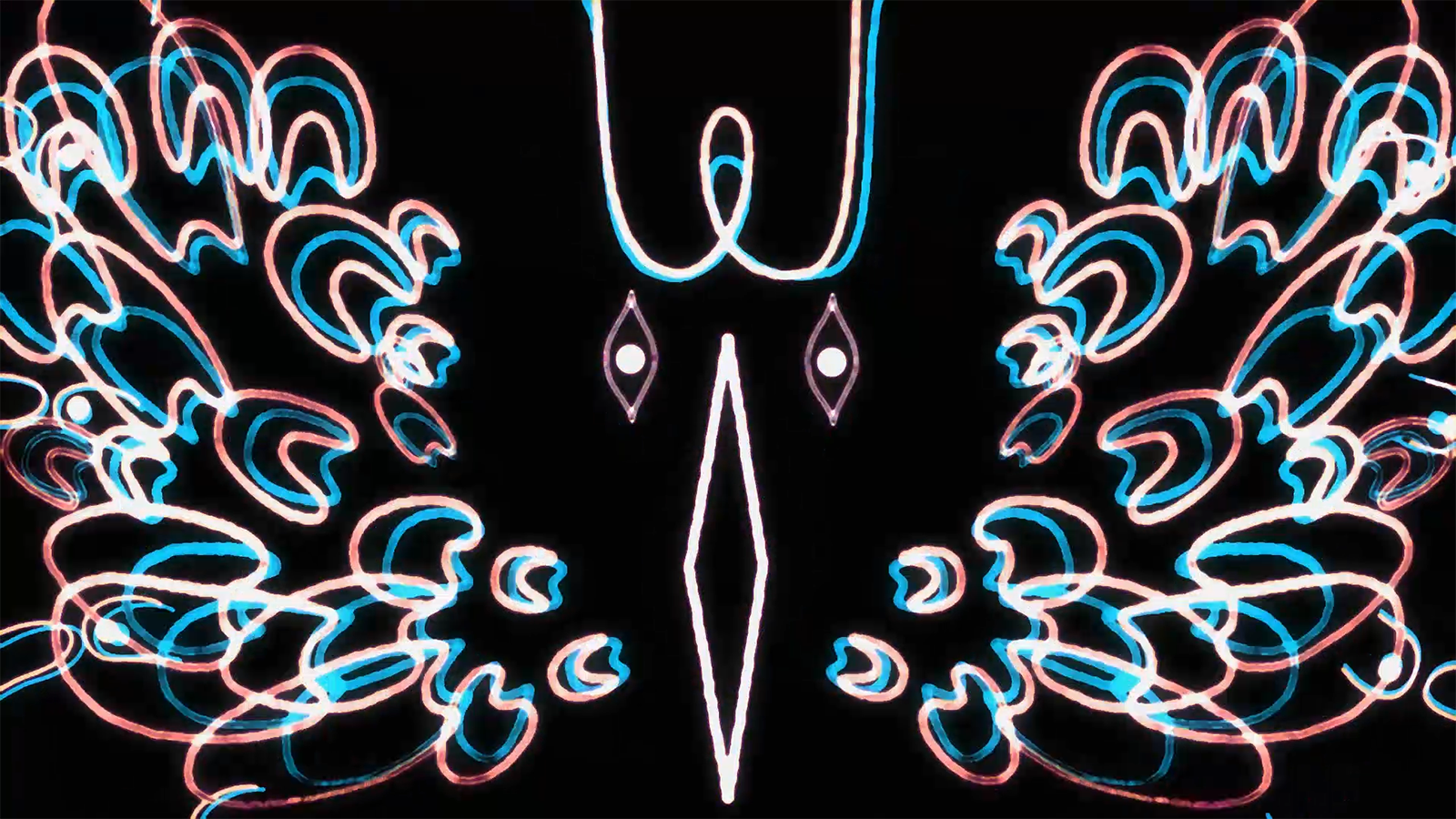
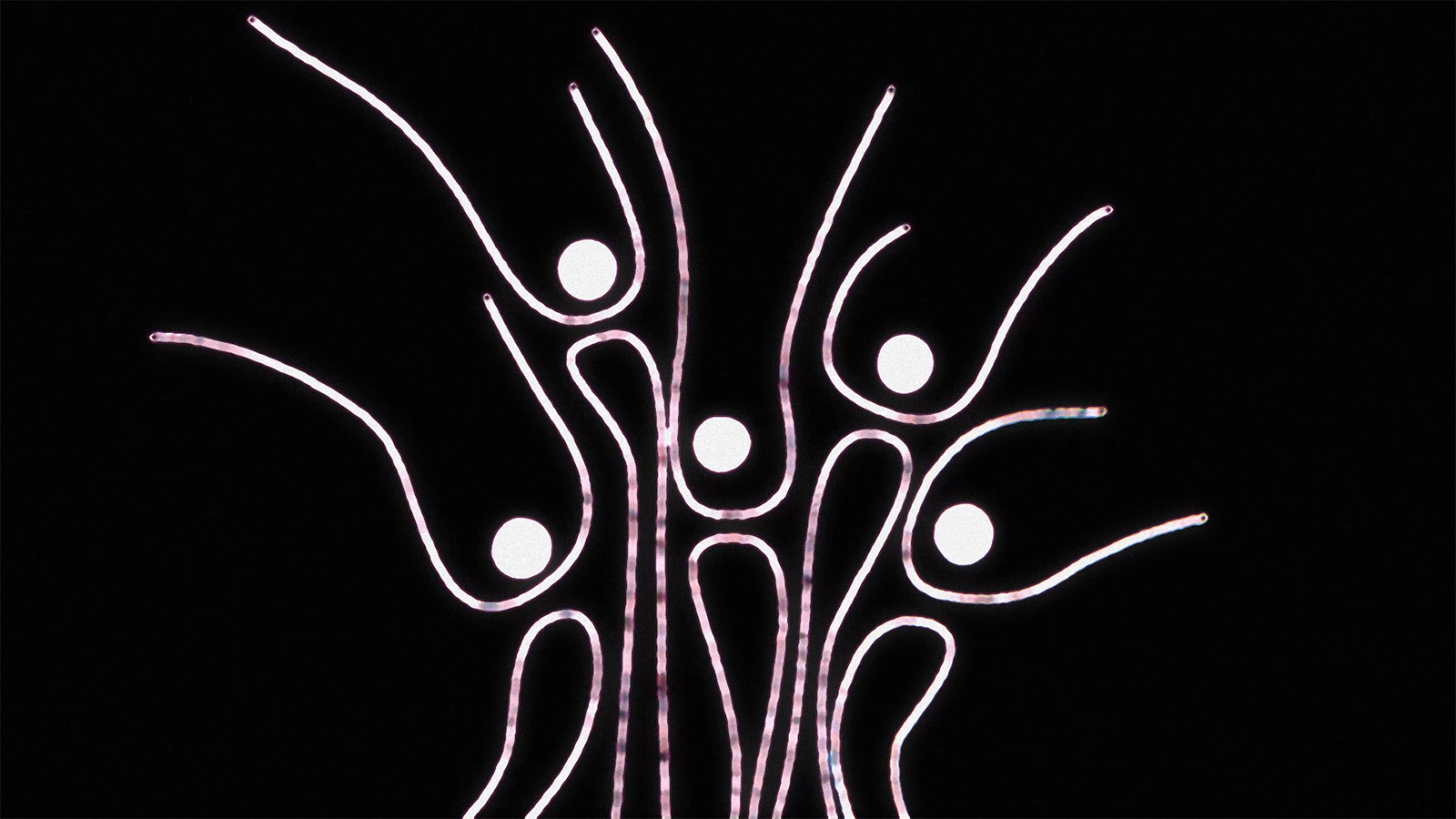
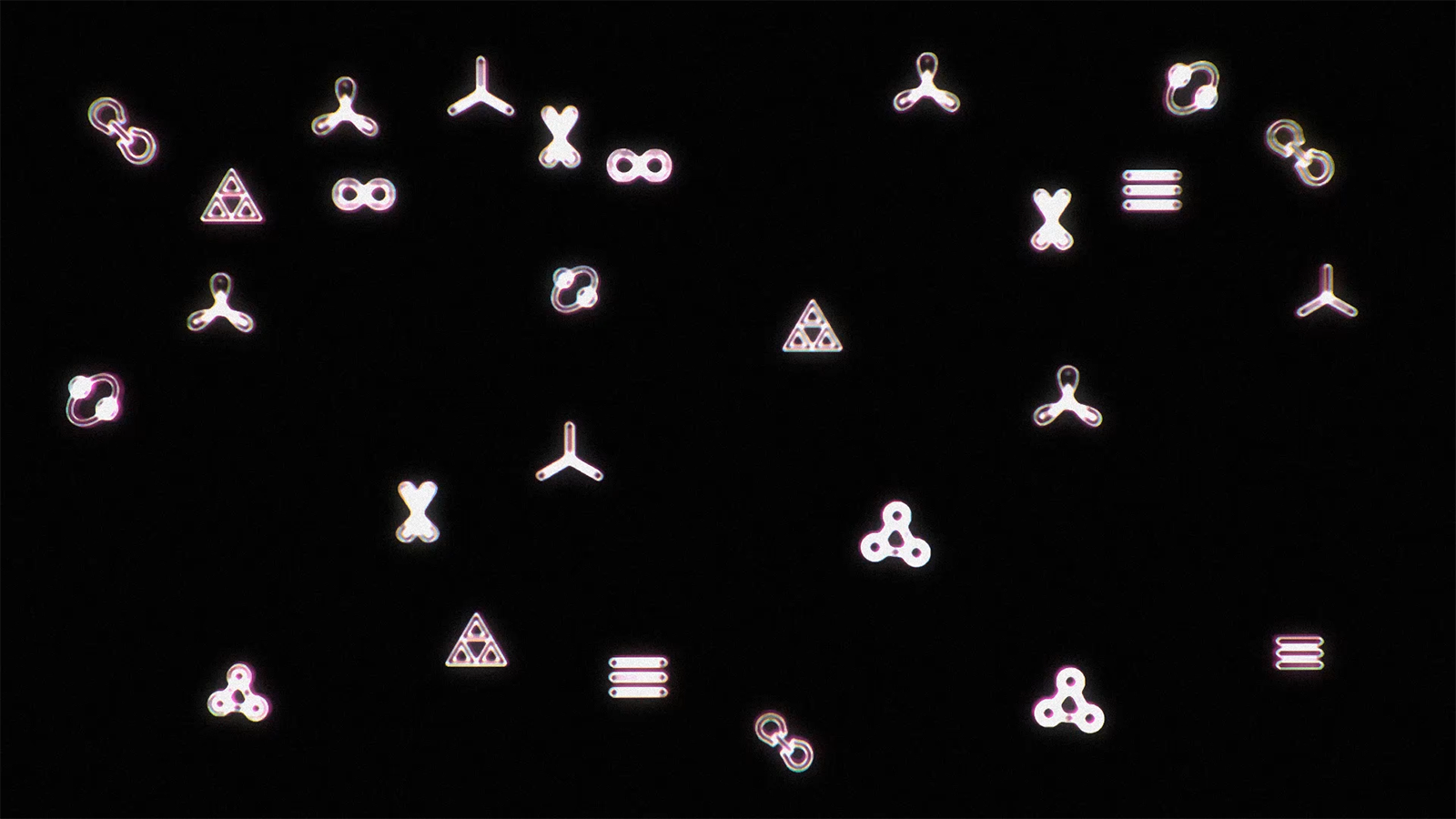
At Kinomural he’s showing Kou Kou, and it’s a strange and wonderful thing: an abstract animation set to a song made entirely of Japanese syllables, with not one complete word in it. The trick is in the language itself. In the ancient roots of Japanese, every single sound carries its own meaning, so even a string of “nonsense” refuses to stay meaningless. Working with composer Yuri Habuka and vocalist Luschka, Ohashi picked syllables purely for how they sound, then built animation that locks to every rise and fall until you start to understand something you can’t quite put into words. It won Best Abstract Animation at Animated Dreams 2013 and Best Abstract Film at the London International Animation Festival 2014.

